The Short Answer: 25–50 Years With Proper Care
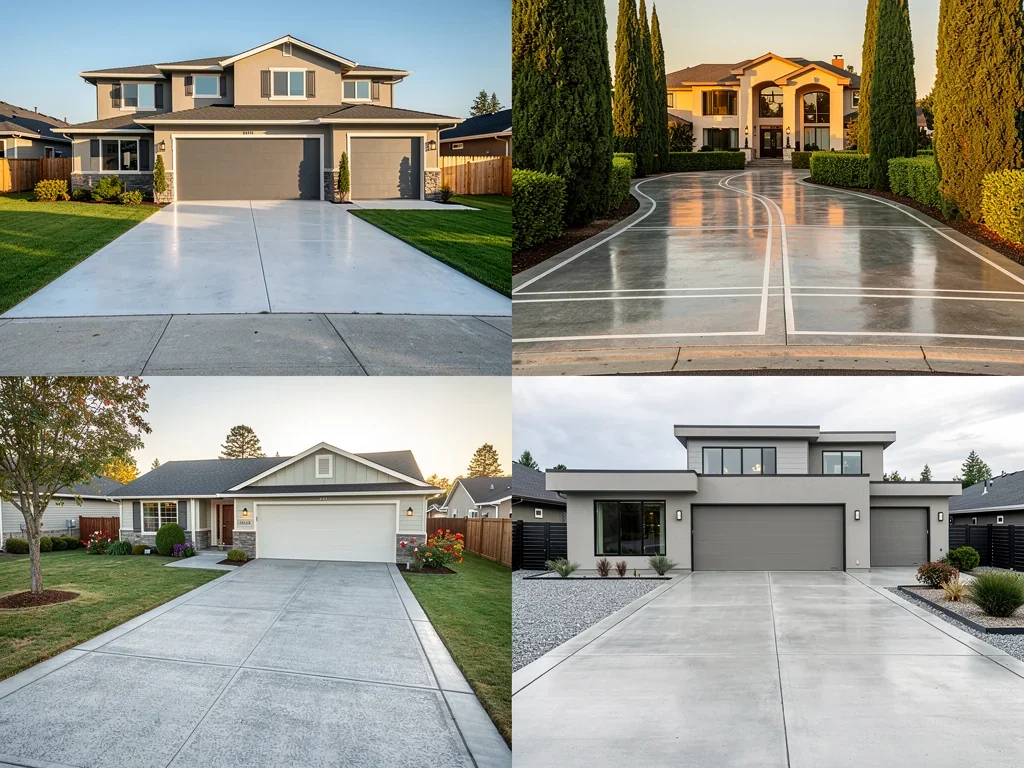
A properly installed concrete driveway in Texas typically lasts between 25 and 50 years. That's a wide range — and the difference comes down to installation quality, climate exposure, and how well you maintain the surface over time.
In the greater Houston area — including Tomball, Spring, Cypress, and The Woodlands — we deal with intense summer heat, heavy rain events, and occasional hard freezes in winter. Each of these stresses concrete in different ways.
What Affects Concrete Driveway Lifespan in Texas
1. Installation Quality
This is the single biggest factor. A driveway that's poured on a properly compacted base, with the right concrete mix, correct thickness (at least 4 inches for residential), and properly placed control joints will dramatically outlast one that cut corners at any of these steps. Control joints are especially critical in Texas — they give the slab a place to crack in a controlled line rather than randomly across the surface.
2. Texas Heat and UV Exposure
Prolonged heat causes concrete to expand. If expansion joints aren't placed correctly, this leads to buckling or random cracking over time. Quality sealers applied every 3–5 years help protect the surface from UV degradation and slow moisture intrusion.
3. Freeze-Thaw Cycles
While Houston doesn't freeze as hard as northern states, the occasional hard freeze combined with wet conditions causes surface spalling — where the top layer of concrete flakes or pops off. Using a penetrating sealer before the first freeze of winter significantly reduces this risk.
4. Tree Roots
In older neighborhoods throughout Tomball and Magnolia, tree roots are a leading cause of driveway damage. Roots grow under slabs and lift sections over time. If you're installing a new driveway near large trees, consider root barriers during installation.
5. Heavy Vehicles
Standard residential driveways are designed for passenger vehicles. If you regularly park an RV, heavy truck, or loaded trailer on a 4-inch slab, you may see cracking within 10–15 years. A 5–6 inch slab with extra rebar handles heavier loads much better.
Signs Your Driveway Is Nearing End of Life
- Cracks wider than 1/4 inch that keep growing
- Multiple sections that have shifted vertically (trip hazards)
- Widespread surface spalling across more than 30% of the slab
- Pooling water that doesn't drain (indicating settlement)
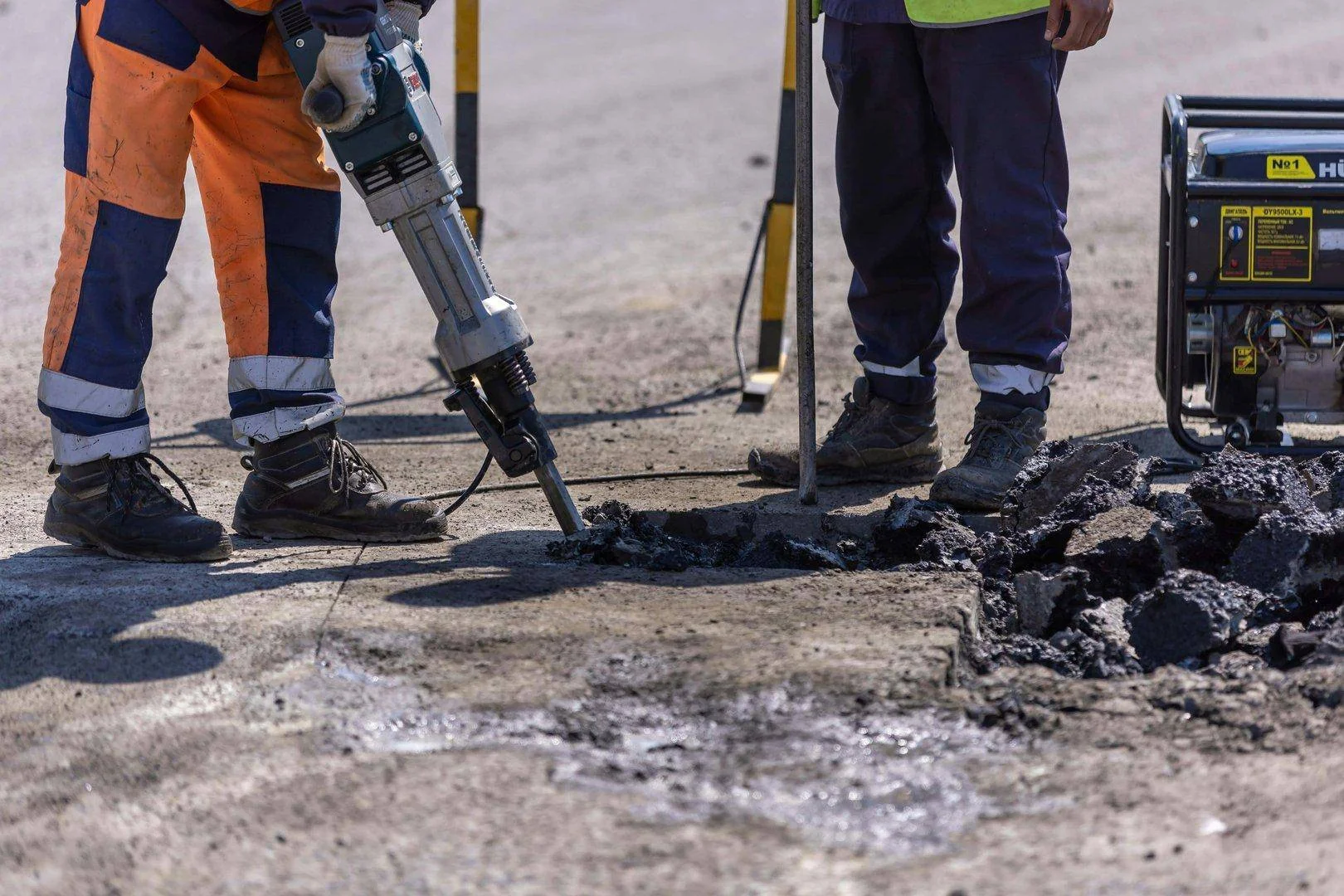
- Crumbling edges along the entire perimeter
Individual cracks or small spalled areas can often be repaired. But when damage is widespread, replacement is more cost-effective long term. See our guide on when to repair vs. replace concrete for a full breakdown.
How to Make Your Concrete Driveway Last Longer
- Seal it every 3–5 years — a penetrating sealer slows moisture and UV damage
- Keep oil and chemicals off the surface — they break down the paste that holds concrete together
- Clean regularly — dirt and debris hold moisture against the surface
- Avoid de-icing salts — if you get an occasional freeze, sand provides traction without damaging the surface
- Repair cracks early — small cracks filled promptly stay small
Ready for a New Concrete Driveway in Tomball?
If your current driveway is showing serious wear, or you're building new construction, our team provides free estimates throughout Tomball, Spring, Cypress, Magnolia, The Woodlands, and Conroe. We've been pouring quality concrete in the area since 2015.
Call us at (346) 589-8600 or fill out our online form for a free, no-obligation estimate.
Get a Free Driveway Estimate
Serving Tomball, Spring, Cypress, Magnolia, The Woodlands & Conroe, TX
Request Free Quote (346) 589-8600