What Curing Temperature Actually Does to Concrete
Concrete doesn't dry — it cures. It's a chemical reaction between water and cement, and like most chemical reactions, temperature controls how fast it runs.
When it's hot, that reaction sprints. Hot-weather pours set fast on the surface while the interior is still working, which causes the classic problems we see on driveways poured in July and August: plastic shrinkage cracks within days, a soft, dusty surface that never reached its potential strength, and finishing crews fighting the clock before the slab stiffens. When it's cold, the opposite happens — the reaction crawls, and fresh concrete that sits below about 50°F for days gains strength so slowly that the calendar becomes the enemy.
The sweet spot is air temperatures between roughly 50°F and 80°F for the first several days after the pour. Around Tomball, that describes late October through most of November almost every single day — cool mornings in the 50s, warm afternoons in the 70s, and none of the 95°F slab-surface heat that makes summer pours risky.
Why the Local Climate Makes Fall Even Better Here
Two things about the greater Tomball area stack on top of the temperature window:
The clay soil is at its most stable. The expansive clay that underlies most of northwest Harris County swells with our spring rains and shrinks through the summer drought. By late October, soil moisture has usually evened out and the ground is neither waterlogged nor cracked dry. That means subgrade prep holds its compaction, forms sit steady, and the finished slab is less likely to settle unevenly in its first year.
Rain returns, but on a schedule you can read. Fall cold fronts in this part of Texas arrive with some warning — unlike the pop-up thunderstorms of May and June that can dump an inch of rain on a fresh pour with 20 minutes of notice. Crews can watch a front, pour behind it, and give concrete a full week of cure before the next one arrives.
Compare that to the alternatives. Summer pours work — we do them all season — but they demand early-morning starts, set-retarding admixtures, and constant vigilance. Winter pours around here are workable too, since our freezes are brief, but curing slows and every pour becomes hostage to the forecast.
The Trade-offs, Season by Season
| Season | Curing Conditions | Main Risk | Realistic Scheduling |
|---|---|---|---|
| Fall (Oct–Nov) | Ideal — slow, even cure | Occasional rain | Predictable, weather-watchable |
| Winter (Dec–Feb) | Slow; brief freezes | Cold snaps delay strength gain | Forecast-dependent |
| Spring (Mar–May) | Good, then hot by May | Heavy unpredictable rain | Front-dependent, wettest stretch |
| Summer (Jun–Sep) | Too fast; surface heat | Shrinkage cracks, soft finish | Dawn pours, admixtures required |
Projects Worth Booking This Month
Fall isn't just good curing weather — it's also the right position on the calendar for specific projects:
Patios before the holidays
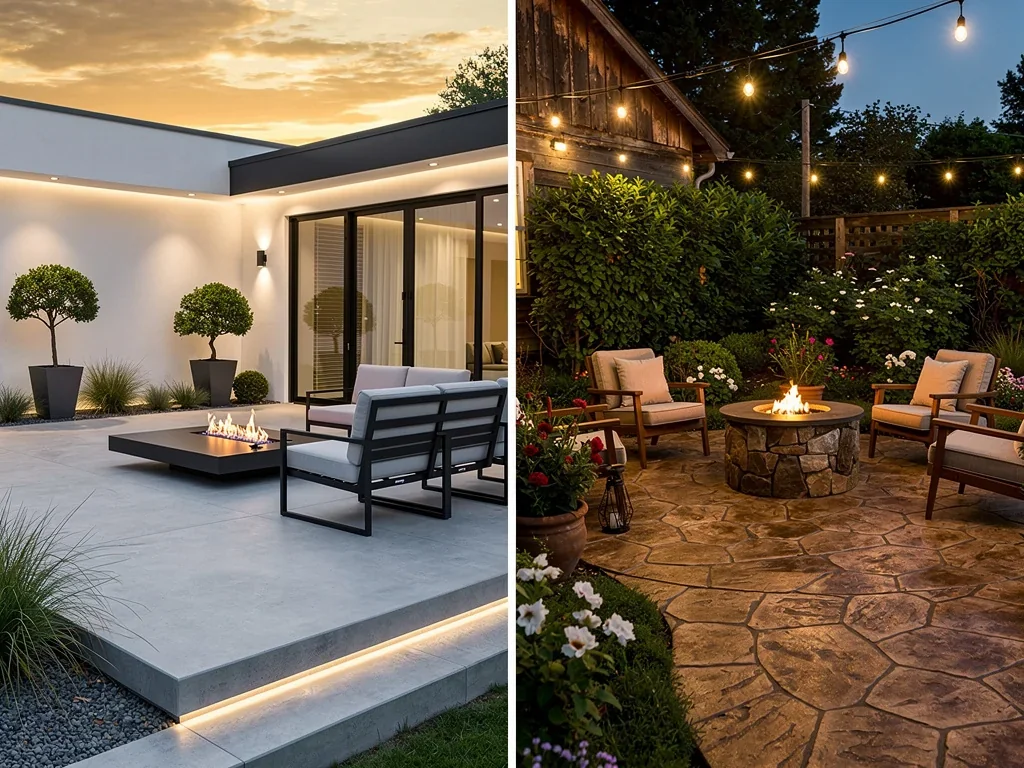
An outdoor living space poured in late October is fully cured and ready for Thanksgiving and December gatherings. Stamped and stained finishes cure evenly in cool weather, and you avoid sealing new concrete in 100-degree heat.
Driveway replacements before winter
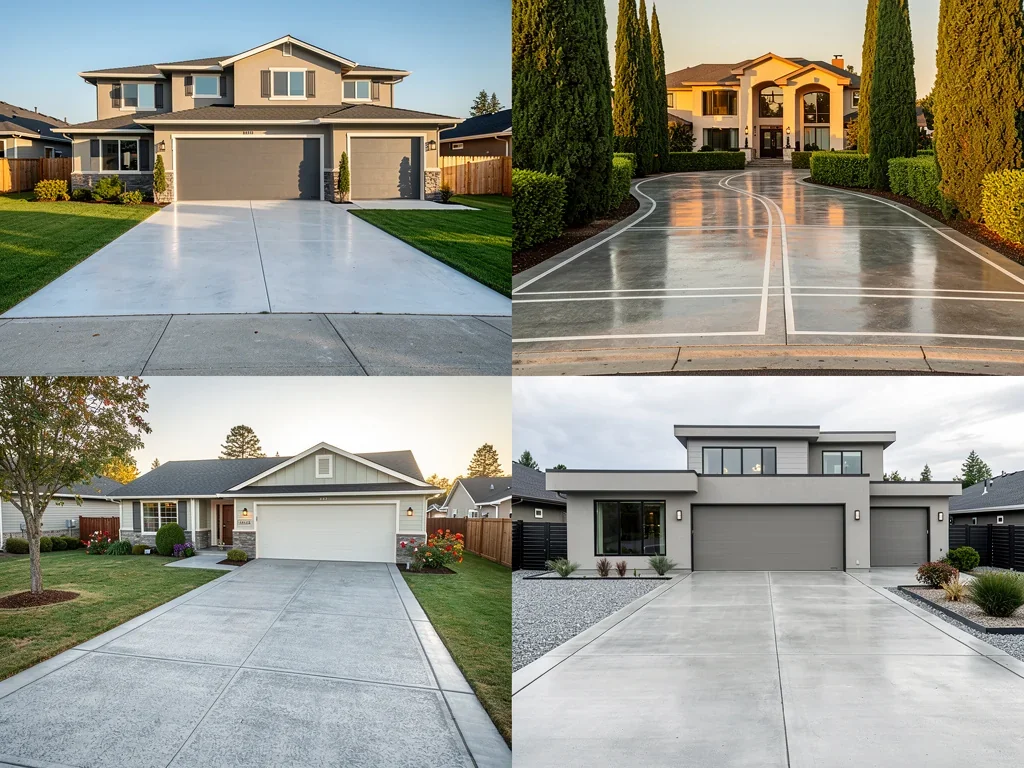
If your driveway has cracks that hold water, winter is when they get worse — freeze-thaw cycles work water into those cracks and widen them. A replacement poured in fall goes into its first winter sealed, cured, and shedding water the way it should.
Walkways and pool decks
Smaller flatwork cures fastest in fall's conditions and sees the least disruption from rain delays. Pool decks in particular benefit: the off-season means you're not pouring around swim-season furniture, and the surface is ready when you open the pool in spring.
How to Time It Right
Three practical notes if you're moving this month:
Book ahead of the pour, not the week of. Quality finishing crews run busy through October, and HOA architectural review in subdivisions across Tomball, The Woodlands, and Cypress adds two to four weeks before a truck can even show up.
Cure time is longer than you think. Foot traffic in 24–48 hours, vehicles after about a week, and full strength around 28 days — stretch slightly with cooler temps. A mid-November pour is vehicle-ready before the first hard cold snap typically arrives.
Price doesn't swing by season here. Unlike markets up north, our season is long enough that fall pricing mostly tracks material costs, not scarcity. If a crew quotes you a "rush premium" for October, get a second quote.
If you're weighing a repair against a replacement, the signs that tip that decision are their own subject — we cover them in how to spot foundation trouble and in our repair-vs-replace breakdown.
The Bottom Line
Fall gives concrete in this part of Texas the two things it can't get any other season: a curing window in the ideal temperature range and a stretch of the year when rain is forecastable. If a patio, driveway, or walkway has been on your list since spring, the next six weeks are the best conditions you'll get all year.
We're booking fall pours across Tomball, Magnolia, The Woodlands, Spring, Cypress, and Conroe right now. Call (346) 589-8600 or request a free estimate online — we'll walk the site, confirm your timeline against the forecast, and put a written quote in your hands within 48 hours.
Book Your Fall Pour
Cool-weather curing window is open through November. Free on-site estimates across northwest Harris County.
Request Free Estimate (346) 589-8600